Ultimate Guide to Paver Sealing: Benefits, Techniques, and Maintenance Guidelines
Sealing pavers is an essential component of outdoor surface maintenance. It presents several advantages, such as shielding against UV rays and water damage, while also stopping weed and mold development. Comprehending the sealing procedure and selecting appropriate products is essential for best results. However, many homeowners make common mistakes that can cause diminished sealing performance. What are these issues, and how can they be evaded to guarantee your pavers remain vibrant and durable?
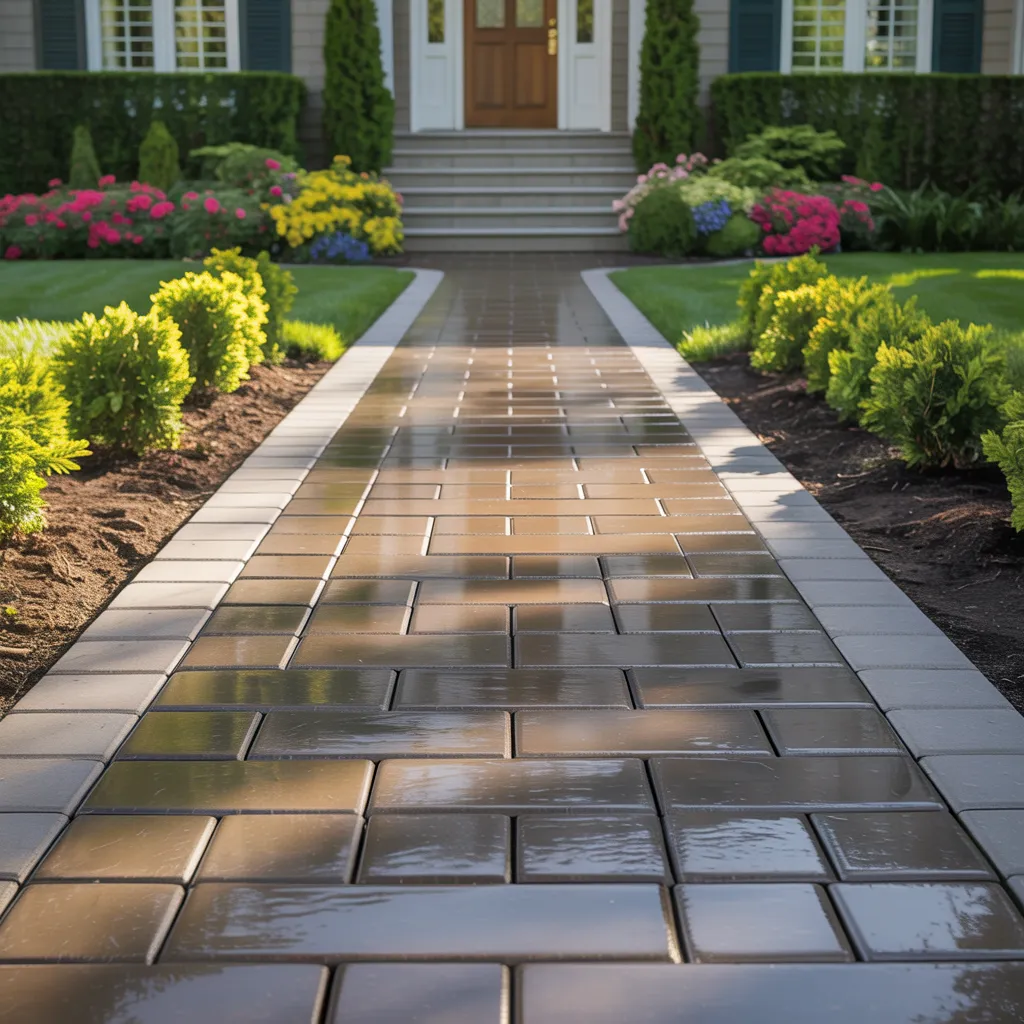
Understanding the Advantages of Paver Sealing
Although many home owners could neglect the value of paver sealing, grasping its benefits can greatly enhance the endurance and look of outdoor spaces. Sealed pavers shield them from multiple environmental factors, such as UV rays, moisture, and stains. This defensive coating helps inhibit the growth of weeds and mold, which can compromise the condition of the paver surface.
Moreover, paver sealing enhances color vibrancy, guaranteeing that outdoor spaces retain their aesthetic appeal over time. By lowering the porosity of the pavers, sealing minimizes the risk of water infiltration, thereby avoiding cracks and structural damage. Regular sealing also facilitates maintenance, as it makes cleaning less difficult and more effective.
Picking the Proper Sealer for Your Pavers

When selecting a sealer for pavers, understanding the various options available is essential. Alternatives vary concerning color enhancement and finish, impacting both appearance and durability. Thoughtful evaluation of these aspects can produce a more rewarding and long-lasting outcome.
Types of Paver Sealers
Picking the right paver sealer is vital for maintaining the aesthetic and lifespan of outdoor surfaces. There are mainly three types of paver sealers: acrylic, polyurethane, and epoxy. Acrylic sealers are well-known for their simplicity of application and fast drying time, offering a protective layer that boosts color and sheen. Polyurethane sealers deliver superior durability and resistance to chemicals, making them perfect for high-traffic areas. Epoxy sealers offer the strongest protection, often used in commercial settings, as they create a durable, long-lasting finish. Furthermore, sealers can be categorized as either penetrating or topical, with penetrating sealers absorbing into the pavers and topical sealers forming a protective film on the surface. Each type addresses distinct needs and conditions.
Available Colors and Finishes
Color and finish choices serve a vital function in improving the aesthetic appeal of paver surfaces. When selecting a sealer, homeowners can pick from a variety of colors and finishes, including natural, glossy, or matte. Natural finishes maintain the original look of the pavers, while glossy options provide a wet, vibrant appearance that can accentuate colors. Matte finishes present a more subdued look, reducing glare and footprints. Furthermore, some sealers contain color enhancers that strengthen the paver hues, adding depth and vibrancy. It is essential to take into account the surrounding landscape and architecture when making a choice, ensuring that the selected color and finish complement the overall environment. Finally, the right sealer enhances both durability and visual appeal.
Detailed Guide to Properly Sealing Your Pavers
Surface preparation done correctly is necessary before sealing pavers. This guarantees that the sealant sticks correctly and provides long-lasting protection. Following this, the application of the sealant must be done with attention to detail to achieve superior results.
Surface Preparation
Surface preparation is an essential phase in the paver sealing process, as it guarantees ideal adhesion and durability of the sealant. To begin, the area should be cleared of debris, dirt, and leaves to provide a clean foundation. Next, a thorough cleaning with a pressure washer removes any stubborn stains, mold, or mildew that could interfere with seal application. It is advisable to allow the surface to dry completely before proceeding. If there are any loose or uneven pavers, these should be re-leveled or repaired to create a uniform surface. Lastly, it is advisable to inspect the joints for sand, replacing any that may have washed away. Adequate surface preparation sets the stage for an effective sealing application.
Adding the Sealant
Using sealant modifies the surface of pavers, enhancing both their look and durability. To begin, ensure the pavers are thoroughly dried and cleaned. Next, choose a top-grade sealant suitable for the specific type of pavers being treated. Using a roller application tool or spray equipment, apply a uniform layer of the sealant, beginning at one edge and working methodically to avoid missed spots. It is vital to follow the manufacturer's instructions related to coverage and drying times. After the primary application, allow it to completely cure before applying a secondary coat for superior safeguarding. Finally, restrict foot traffic on the sealed surface for at least 24 hours to guarantee proper adhesion and effectiveness, maintaining the pavers' improved visual appeal and lifespan.
Critical Errors to Prevent During Sealing Operations
While many homeowners enthusiastically anticipate the safeguarding benefits of sealing their pavers, they often overlook essential steps that can result in suboptimal results. One frequent error is neglecting thorough cleaning before application; grime and particles can hinder sealant adhesion. Moreover, applying the sealant during moist or rainy conditions can capture water, causing an uneven finish.
Homeowners could also overlook checking the expiration date of the sealant, potentially causing ineffective protection. Over-application is another frequent error, which can result in a sticky surface and take longer to dry. Additionally, not allowing proper drying time between coats can cause peeling or bubbling. By preventing these pitfalls, homeowners can ensure a more successful sealing process and prolong the life of their pavers.
Care Tips to Ensure Long-Lasting Paver Sealing
Appropriate upkeep is essential for maintaining the durability of paver sealing. Frequent cleaning is imperative; applying a broom or leaf blower helps to remove accumulated debris, while a light pressure wash eliminates dirt and stains without affecting the sealant. It is advisable to steer clear of aggressive chemicals, as they might break down the sealant with continued use.
Periodic checks are also crucial; homeowners need to look for signs of damage, such as fading or color deterioration, and address any issues promptly. Maintaining proper drainage is important to prevent water from gathering, which can undermine the sealant. Moreover, applying a protective layer of sealant once every few years can improve longevity and aesthetics.
Safeguarding pavers from heavy equipment and sharp objects helps prevent damage. By following these maintenance recommendations, homeowners can substantially extend the lifespan of their paver sealing, maintaining continued aesthetics and functionality.
Telltale Signs Indicating Your Pavers Are Due for Resealing
Over time, pavers can exhibit signs that resealing is required to sustain their visual appeal and protective qualities. One clear indication is discoloration; if the vivid explore this topic colors of the pavers appear faded or dull, it might be time to reseal. In addition, the presence of efflorescence, a white powdery substance on the surface, implies that moisture is penetrating, reducing the sealant's effectiveness. Another sign is the gathering of dirt and stains that are hard to remove, indicating that the protective barrier has deteriorated. Cracks or chips in the pavers may also suggest the need for resealing, as these vulnerabilities can cause further damage. Finally, if water no longer beads on the surface and instead seeps in, the sealant's protective qualities have decreased. Identifying these signs early can help secure the longevity and attractiveness of the paver installation.
FAQ
How Long Does Paver Sealing Typically Last?
Paver sealant typically endures from three to five years, depending on factors such as weather conditions, traffic, and the quality of the sealant used. Regular maintenance can extend its effectiveness and longevity.
Is It Safe to Seal Pavers in Cold Weather?
Cold weather paver sealing can be done, but temperatures must remain above 50°F for ideal adhesion and curing. Cold conditions may extend drying time and influence the sealant's effectiveness, resulting in potential performance issues.
Is Paver Sealer Safe Around Pets and Children?
The process of sealing pavers is usually safe for pets and children after it has completely cured. That said, it is suggested to keep them away during the application process and for a specified period afterward to safeguard their safety.
What's the Average Cost of Paver Sealing?
Generally, paver sealing costs between $0.50 to $1.50 per square foot. Elements affecting the price include the variety of sealant, surface condition, and local labor rates, which can influence overall project expenses.
Does Sealing My Pavers Alter Their Color?
Sealing pavers may alter their color, often enhancing the existing hues. The extent of alteration relies on the kind of sealant applied; some may deepen or darken the pavers, while others maintain their original appearance.